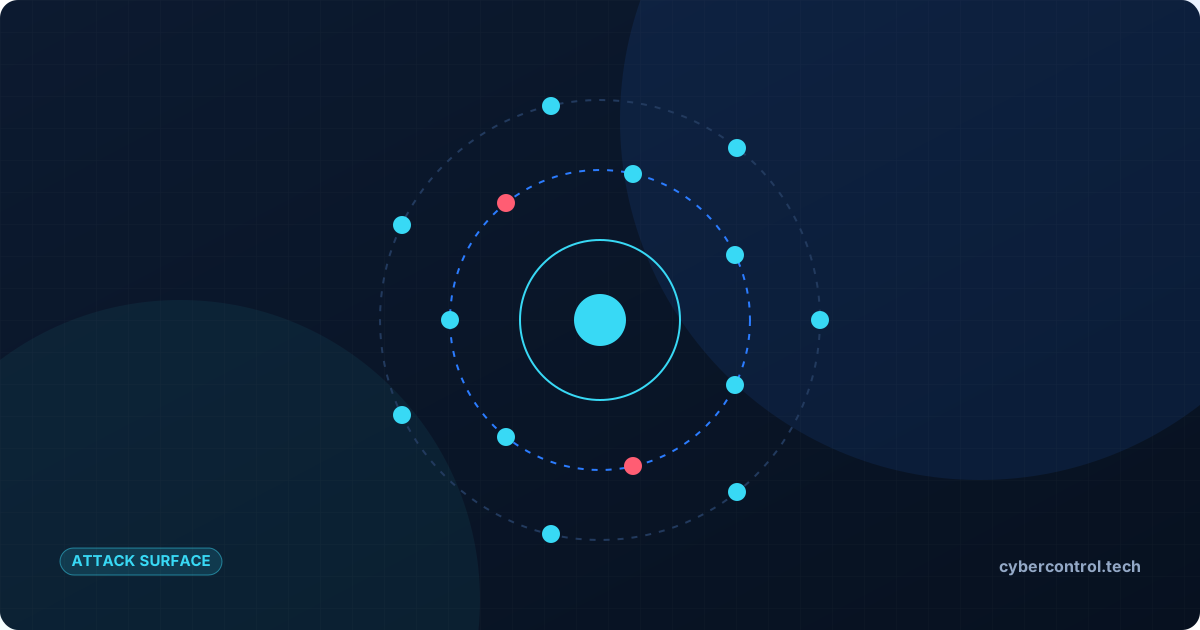
Attackers start where you are visible: domains, public websites, VPN gateways, mail servers, cloud storage and the test server someone set up two years ago and forgot. Your external attack surface is everything an attacker can reach from the internet. Managing it means knowing what is there, understanding its risk and reducing it continuously.
Why the attack surface keeps growing
- Cloud services can be published in minutes, often outside the usual IT processes.
- Marketing and campaign sites are created by agencies and outlive their purpose.
- Mergers and acquisitions bring domains and systems nobody fully knows.
- Remote work adds VPNs, remote-desktop gateways and collaboration tools.
- Third parties host services under your brand.
Each forgotten asset is unpatched, unmonitored and still trusted by your customers.
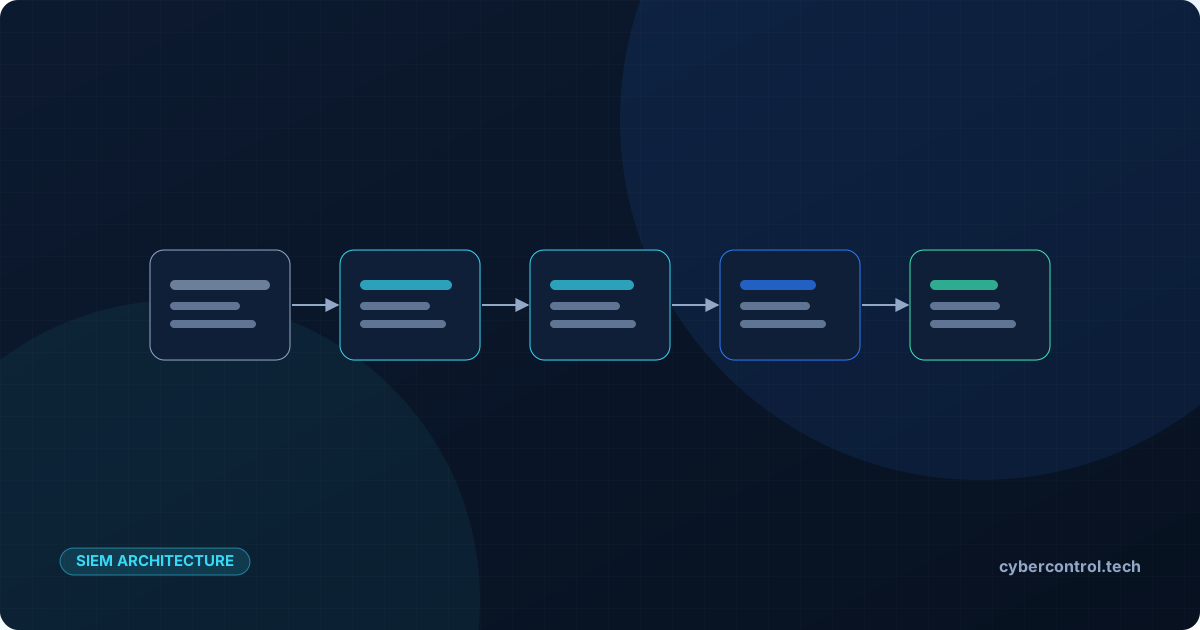
The attack surface management cycle
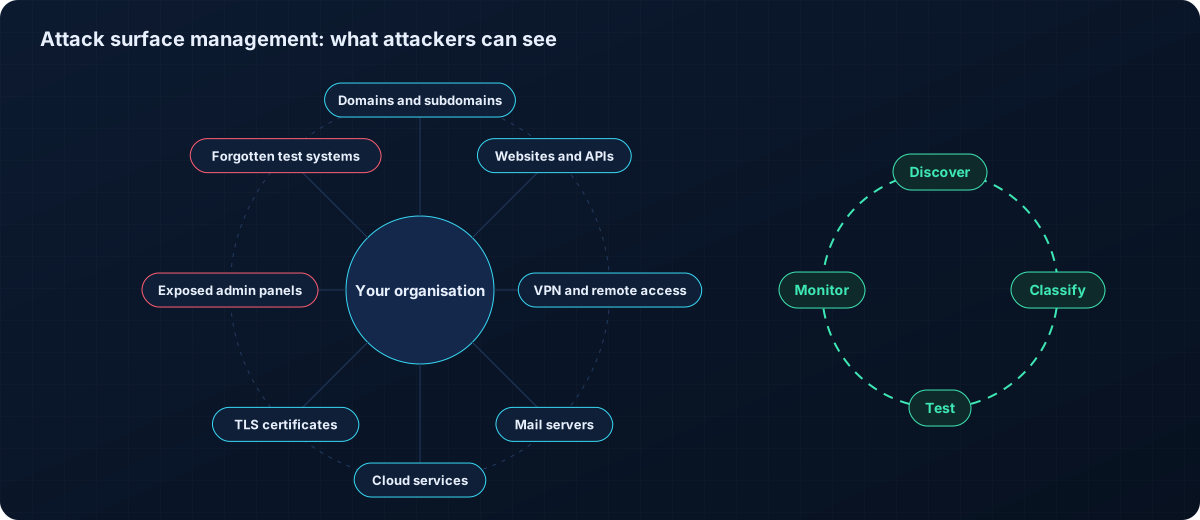
1. Discover
Build an inventory from several angles: registered domains and DNS records, certificate transparency logs (every public certificate is logged, which reveals hostnames), IP ranges you own, cloud accounts and the knowledge of the people who run each service.
2. Assess
For each asset, record what it exposes: open services, software and versions, TLS configuration, login pages and who owns it. Technology fingerprinting helps here: knowing that a site runs a specific content-management system or web server links it directly to relevant vulnerabilities.
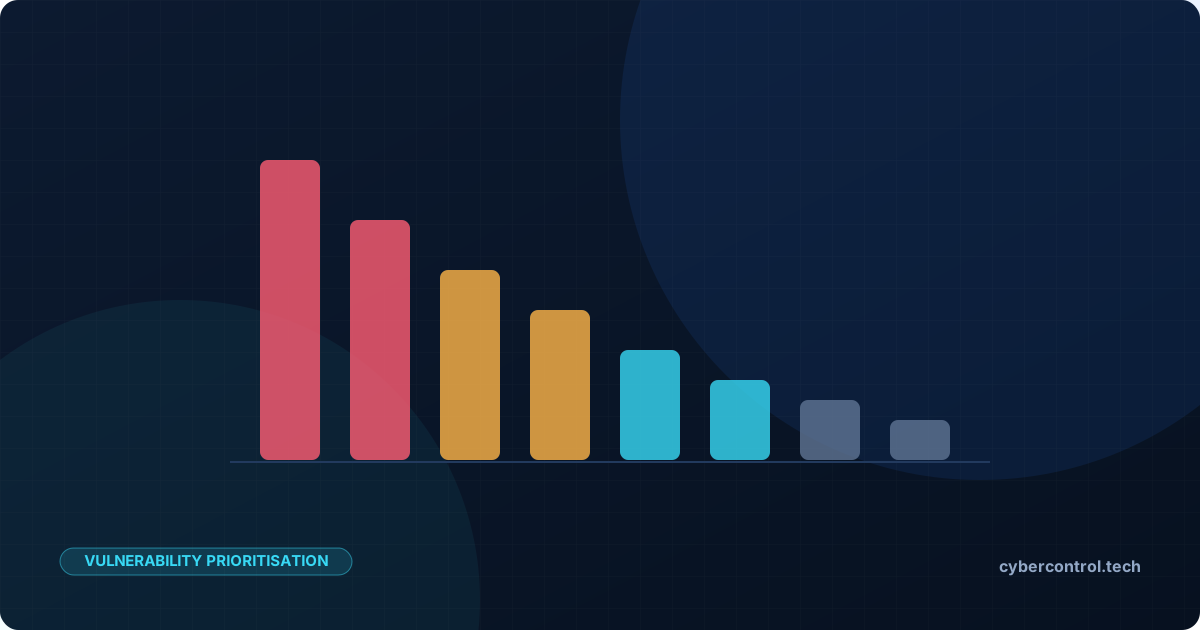
3. Prioritise
Rank findings by what an attacker could do with them:
| Finding | Typical risk |
|---|---|
| Known exploited vulnerability on an exposed service | Critical |
| Remote-access or admin interface open to the internet | High |
| Expired or invalid certificate | Medium: trust and availability |
| Outdated software with no known exploit | Medium |
| Unused site with no sensitive data | Low, but remove it |
4. Reduce
The best fix is often removal. Decommission what is no longer needed, put admin interfaces behind VPN or strong authentication, patch what must stay, and assign an owner to every remaining asset.
5. Monitor
The surface changes every week. Monitor availability, certificates and technology changes of every public site, and repeat discovery on a schedule.
How the APEX applications help
APEX Pingmora watches public sites from the outside: availability, HTTP and HTTPS behaviour, the full TLS certificate, and 102 technology signatures with a log of changes. APEX Threat Intelligence links the technologies you expose to vulnerabilities that are being exploited. Together they turn a one-off inventory into continuous visibility, and our analysts turn the findings into a reduction plan.
Questions to ask this week
- How many domains does your organisation own, and who renews them?
- Which services are reachable from the internet, and why?
- Which public sites have no clear owner?
- When did someone last check the certificates and software versions of all of them?
Key takeaways
- Your attack surface is everything reachable from the internet, including what you have forgotten.
- Discover from several sources, then assess, prioritise and reduce.
- Removing unused assets is often the best security improvement available.
- Monitor continuously: the surface changes every week.